Friday, 22 November 2019

Updated!!! JFA community archaeology excavations in 2020!


Join us in exploring the stone-age and WW2 next field season. Please send a letter of interest to us if you wish to participate (jfarchaeology@gmail.com). 

We also welcome foreign  archaeology students especially if you have an interest in the neolithic or WW2 Conflict- or Battlefield Archaeology!

Best, 

MA Jan Fast and MA Janne Soisalo


2020


6.5-8.5.2020 Tampere, Vuores 
”Vuores ja kadonneen aarteen metsästäjät” Pedagogic and photographic art related archaeology project around the historic "Annisto" homestead with Vuoreksen koulu.
Fully booked!


22.5-24.5.2020 Raseborg, Malmkulla  
Rescue excavation of an early comb ceramic dwelling site. 
Karis Hembygdsförening with financial support från Svenska Kulturfonden. 
Registration starts soon. 
goran.fagerstedt@gmail.com


25.5 and 30.5.-31.5.2020 Kemiönsaari, Ölmosviken                                          
Community archaeology excavation of a late neolithic "Kiukais culture" dwelling site. No admission fee! Registraton has begun, there are still a few spots left! 
jfarchaeology@gmail.com. 


26.5-29.5.2020 Mullankaivajat Kemiönsaari, Ölmosviken                                          
Pedagogic excavation of a late neolithic, Kiukais culture dwelling site, with local schools.
Sagalundsgillet r.f. with funding from Suomen Kulttuurirahasto


3.6-7.6.2020 Porvoo, Vävarsbacka II            
Excavation of a stone-age dwelling site. The excavation is arranged by Borgå Medborgarinstitut. 
Fully booked!                          


10.6-14.6.2020 Kirkkonummi, Kolsarby                                               
Excavation of a neolithic stone-age dwelling site. The excavation is arranged by Kirkkonummen Kansalaisopisto. 
Fully booked!


16-18.6.2020 Kouvola, Ruskiasuo                                                     
Excavation of an early comb ceramic and corded ware culture dwelling site. The excavation is arranged by Kouvolan Kansalaisopisto. 
Fully booked!


22.6-27.6.2020 Espoo, Kläppkärr 
Excavation of an early comb ceramic and corded ware culture dwelling site.
The excavation is arranged by Esbo Arbetarinstitut. Only a few spots left!! 
https://ilmonet.fi/#fi/search/txt=Sten%25C3%25A5ldersmysterier     
              
                                       
8.7-12.7.2020 Vantaa Jokiniemi 
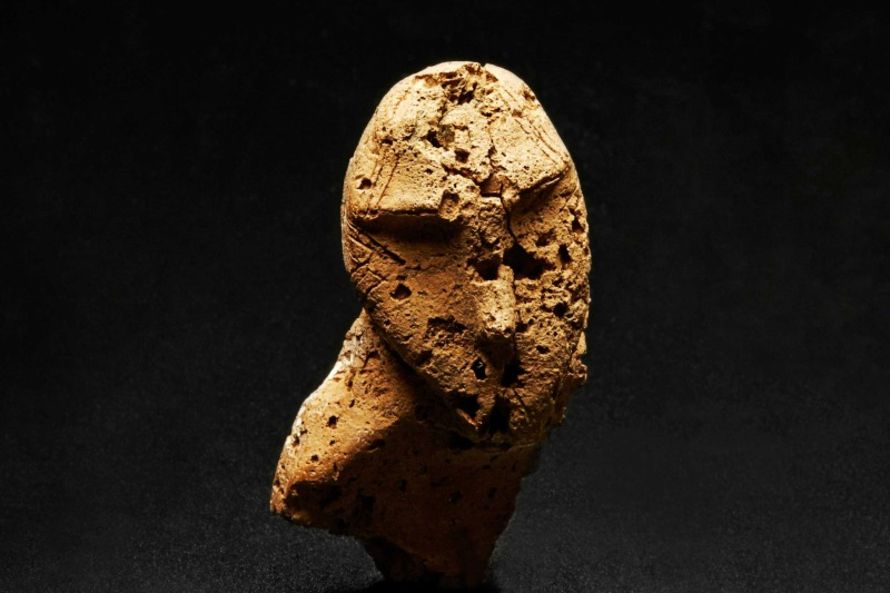
Trial excavation of the find site of the anthropomorphic clay figurine "Tuima". 
The excavation is arranged by Helsingin seudun kesäyliopisto and Heureka.
Registration starts very soon!
Pre registration and letters of interest jfarchaeology@gmail.com


13.7-17.7.2020 "Hanko 1941" (period 1)                                                             
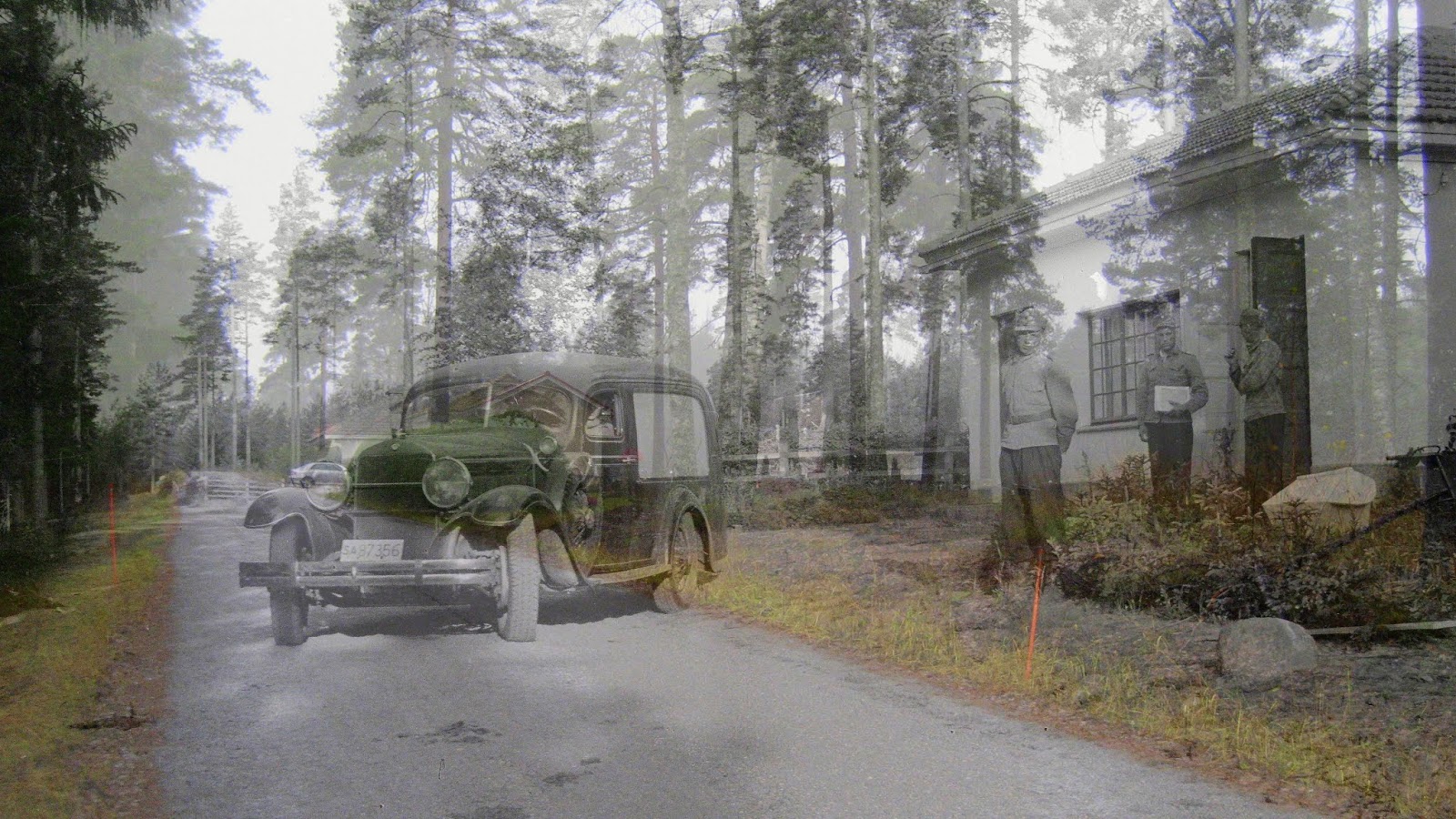
WW2 battlefield archaeology of the Hanko front in the vicinity of Hanko Front Museum. 
Register now at Hangö Sommaruni https://hangosommaruni.fi/studieprogram/22-ovriga-kurser/arkeologi/66-konfliktarkeologi


20.7-24.7.2020 "Hanko 1941" (period 2)
WW2 battlefield archaeology of the Hanko front in the vicinity of Hanko Front Museum. 
Register now at Hangö Sommaruni https://hangosommaruni.fi/studieprogram/22-ovriga-kurser/arkeologi/66-konfliktarkeologi


31.8-4.9.2020 "Hanko 1941" (period 3)                                                            
WW2 battlefield archaeology of the Hanko front. WW2 battlefield archaeology of the Hanko front. Register now at Hangö Sommaruni https://hangosommaruni.fi/studieprogram/22-ovriga-kurser/arkeologi/66-konfliktarkeologi


19 - 20.9. and 26.9. Lohja Kitiskoski E   
Community archaeology excavation of a neolithic stone-age dwelling site. Planning in progress. Registration starts in the spring of 2020 
Hiiden Opisto https://www.hiidenopisto.fi/                                                       

Tuesday, 8 October 2019

Have you ever found a stone-age artefact? Show it here!


After seeing stone-age finds beeing presented on a variety of Facebook pages I decided that it could be of general interest to start a separate page for these. So here it is, let´s see what you have found!


Tuesday, 1 October 2019

The scientific repatriation of seven KIA (1941) Soviet soldiers in Tvärminne, Hanko S. Finland

The excavation of the long lost grave site took place in May and September 2019 and was part of the larger scientific WW2 conflict archaeology project called "Hanko 1941". The work was carried out in close co-operation with The Russian Embassy in Finland, "Sotavainajien muiston vaalimisyhdistys ry", Hanko Front Museum and Hanko Museum (the town of Hanko).


Items (a pencil inserted into a Nagant cartridge and a 20 Kopek coin from 1941) from Grave I after conservation. Photo Jarno Huusko (Metropolia) for the "Hanko 1941" project

16 persons in all took part in the work, each with clearly defined different tasks ranging from documentation to excavation and forensic dentistry. All work was done as humanitarian (non paid) work.

Locals had cared for Soviet mass grave in the Hanko archipelago (Sommaröar) for decades after the war but today the site lays forgotten (right). Photo Jan Fast 1981.

In all a total of seven soldiers were repatriated using meticuous excavation and documentation methods. The excavation work proved that sientific archaeology has a significant role to play when collecting data about both burial practises as well as material remains and soil samples from the graves. All of these are of importance in gaining data about the circumstances around the death of the individuals as well as in the identification and general understanding of the relationship between the battlefield and the graves. 

Entrenchments and camp grounds in Tvärminne. Map by Aleksi Rikkinen for the "Hanko 1941" project.

All work was conducted in strict accordance with rules and regulations concerning the repatriation of fallen soldiers. We also documented and analysed the remains and took care of the conservation of the excavation finds. The Russian Embassy of Finland has promised to take care of the continued forensic examination of the soldiers remains and to try to find relatives to the deceased. The Embassy will also take care of the reburial which will take place in a near future.

The partly reconstructed grave site photographed soon after the end of the excavation. Photo Börje Österberg.

MA Jan Fast and Aleksi Rikkinen will lecture on the scientific work in Tvärminne and the "Hanko 1941" project during the conflict archaeology weekend at Hanko Front Museum 19th to 20th of October. Please notice that preregistration to the Hanko Front Museumis mandatory if you wish to participate in the lectures!


Monday, 30 September 2019

Before the Bronze-Age. Excavating the Kiukais Culture Dwelling Site at Ölmosviken

The end of the 2019 excavation season is closing in but the weather allowed for one more excavation of the magnificient late neolithic Ölmosviken site @ Kimitoön SW Finland.

Autumn @ Ölmosviken. Photo Marjo Karppanen.

Lots of interesting pottery, C14 and soil samples were again carefully collected by our topexcavation team. These will be of key importance for the work with the dissertation about this time period (work 2019-2023 by MA Janne Soisalo).


Late neolithic Kiukais culture potsherds from Ölmosviken. Photo Jan Fast, Janne Soisalo and Kim Björklund.

The burnt bones were almost totally lacking in excavation area one where the find material predominantly consisted of large Kiukais culture potsherds. On excavation area two however the bone finds were numerous in the thick and intensely coloured cultural layer.

Burnt seal bone fragments etc. from excavation area two.

The lithic material mostly consisted of quartz, quartsite and porfyrite flakes and small items shaped from these raw materials. A large stone-axe was also found during the excavation of area one.

Quartz and Porfyrite scrapers from Ölmosviken. Photo Janne Soisalo.

Neolithic stone axe. Photo Janne Soisalo.

Tuesday, 24 September 2019

Malmkulla 4200 BC

Last weekend we made a short but successfull trial excavation of the Malmkulla early comb ceramic dwelling site situated in the town of Raseborg (Karis) SW Finland. The extent of the site as well as
it´s preservation is poorly known. Only one small scale excavation had been carried out here before (in 1979).

The excavation team with archaeologist Janne Soisalo in the middle at the start of day one.

In order to gain a better understanding of the results of the excavation in 1979 we decided to open up a small trial excavation area in it´s immediate vicinity. The results obtained here would then later serve as a starting point for observations in the surrounding area.


The trial excavation area before excavation ...

... and with the topsoil removed.

Soon after the start of the excavation it became obvious that the area was covered with a 30 cm thick layer of disturbed soil (although containing stone-age finds). Underneath this the original topsoil could be observed and beneath this the undisturbed stone-age cultural layer.

Profile towards the east showing the disturbed soil on top of the original topsoil.

The untouched stone age find layer varied in depth between 20-40 cm:s and was quite rich in a wide variety of finds all dating to the younger phase of the early comb ceramic culture.


 A variety of finds from the trial excavation includinp potsherds, ornate burnt bone artefacts, a fragment of a clay figurine and slate and quartz tools.

During the smallscale trial excavation it became obvious that the site had been somewhat misinterpreted in 1979 (considered mostly destroyed and with no coloured find layer). Instead the actual extent of the site was quite large and the find layer clearly brown and grey coloured.

Greyish brown coloured find layer some 30 cm:s below ground surface.

After the excavation was finished we filled in the trial excavation area and the test pits. We will continue excavating the site in 2020.

Finishing off the 2019 trial excavation.